 OEM/ODM
Как выбрать производителя игровых гарнитур в Китае: полное руководство 2026
Зайдите на любой форум по электронному sourcing, и вы увидите один и тот же вопрос, заданный десятки раз: "Где найти надёжную фабрику игровых наушников в Китае?" Ответы варьируются от бесполезных ("попробуйте Alibaba") до опасно упрощённых ("выберите самую дешёвую с хорошими отзывами").
После одиннадцати лет в этой отрасли я могу сказать вам: выбор неправильного производителя стоит не только денег — он стоит целого сезона продаж. Одна партия наушников с высоким процентом брака может похоронить метрики вашего аккаунта Amazon, уничтожить маржу прибыли и нанести непоправимый ущерб репутации бренда.
Это руководство описывает реальный процесс оценки, который используют успешные покупатели. Никакой воды, никаких общих советов — только критерии, которые отличают фабрики, выполняющие заказы, от фабрик, исчезающих, когда они вам больше всего нужны.
Почему Китай по-прежнему доминирует в производстве игровых наушников
Сначала разберёмся с одним вопросом. При всём разговоре о диверсификации цепочки поставок — Мексика, Вьетнам, Индия — почему 90% игровых наушников по-прежнему производятся в Китае?
Ответ не в дешёвой рабочей силе. Зарплаты на китайских фабриках утроились с 2010 года. Настоящее преимущество — плотность цепочки поставок. В районе Чанпин в Дунгуане вы можете проехать 20 минут и найти:
- Производителя динамиков, выпускающего неодимовые элементы 50мм
- Цеха по сборке PCB с SMT-линиями, монтирующими аудиочипы
- Термоцех, изготавливающий корпуса наушников за одну ночь
- Экструдер оплётенных кабелей, выпускающий USB-кабели любого цвета
- Типографию, изготавливающую полноцветные розничные коробки за 48 часов
Ни в одной другой стране нет такой экосистемы. Фабрика во Вьетнаме может собирать наушники, но она импортирует каждый компонент из Китая — что добавляет стоимость, сроки поставки и риск качества. В обозримом будущем, если вы закупаете игровые наушники масштабно, вы закупаете их в Китае.
Семь критериев оценки, которые действительно важны
У каждого покупателя есть страшная история о фабрике, которая выглядела хорошо на бумаге, но провалилась в производстве. Те, кто избегает таких историй, оценивают семь конкретных областей перед размещением серьёзного заказа.
1. Квалификация и сертификация фабрики
Сертификация — это базовый уровень, а не дифференциатор. Любая фабрика, которая не может предоставить действительные сертификаты CE, FCC и RoHS, не должна рассматриваться. Но вот что большинство покупателей упускают:
- Сертификация BQB (Bluetooth SIG) обязательна для беспроводных моделей. Фабрика без BQB либо незаконно использует чужой QDID, либо отгружает несертифицированную продукцию, которая будет конфискована на таможне.
- ISO 9001 говорит о том, что у фабрики есть документированная система качества. Это не гарантирует качество, но означает, что при возникновении проблем есть процесс, которому нужно следовать.
- UKCA и BIS важны, если вы продаёте соответственно в Великобритании или Индии. Фабрика, уже имеющая эти сертификаты, экономит вам 4-8 недель и $2,000-$5,000 на испытаниях.
Мы видели слишком много покупателей, принимающих PDF-сертификат без проверки. У каждого органа по сертификации есть онлайн-портал проверки. Потратьте пять минут на проверку. Фабрике, которой нечего скрывать, это не будет неприятно.
2. Возможности исследований и разработок
Вот грязный секрет индустрии игровых наушников: большинство «производителей» — это сборщики. Они покупают готовые компоненты, соединяют их и наклеивают свою этикетку на коробку. В этом нет ничего плохого для базовых продуктов — но если вам нужна какая-либо кастомизация, вам нужна фабрика с реальными исследованиями и разработками.
Как выглядят реальные исследования и разработки?
- Собственная акустическая лаборатория с оборудованием для тестирования на искусственном ухе. Если фабрика не может измерить АЧХ, она не может настраивать звук — она может только копировать то, что спроектировал кто-то другой.
- Центр пресс-форм и оснастки с станками ЧПУ и электроэрозионным оборудованием. Разработка собственной пресс-формы занимает 30-45 дней при наличии собственной оснастки; аутсорсинг добавляет 2-3 недели и наценку посредника.
- Команда конструкторов, которая может проводить DFM-анализ (анализ конструкции на технологичность). Хороший инженер скажет вам, когда ваша идея дизайна будет стоить на 30% дороже в производстве, до того как вы потратите деньги на оснастку.
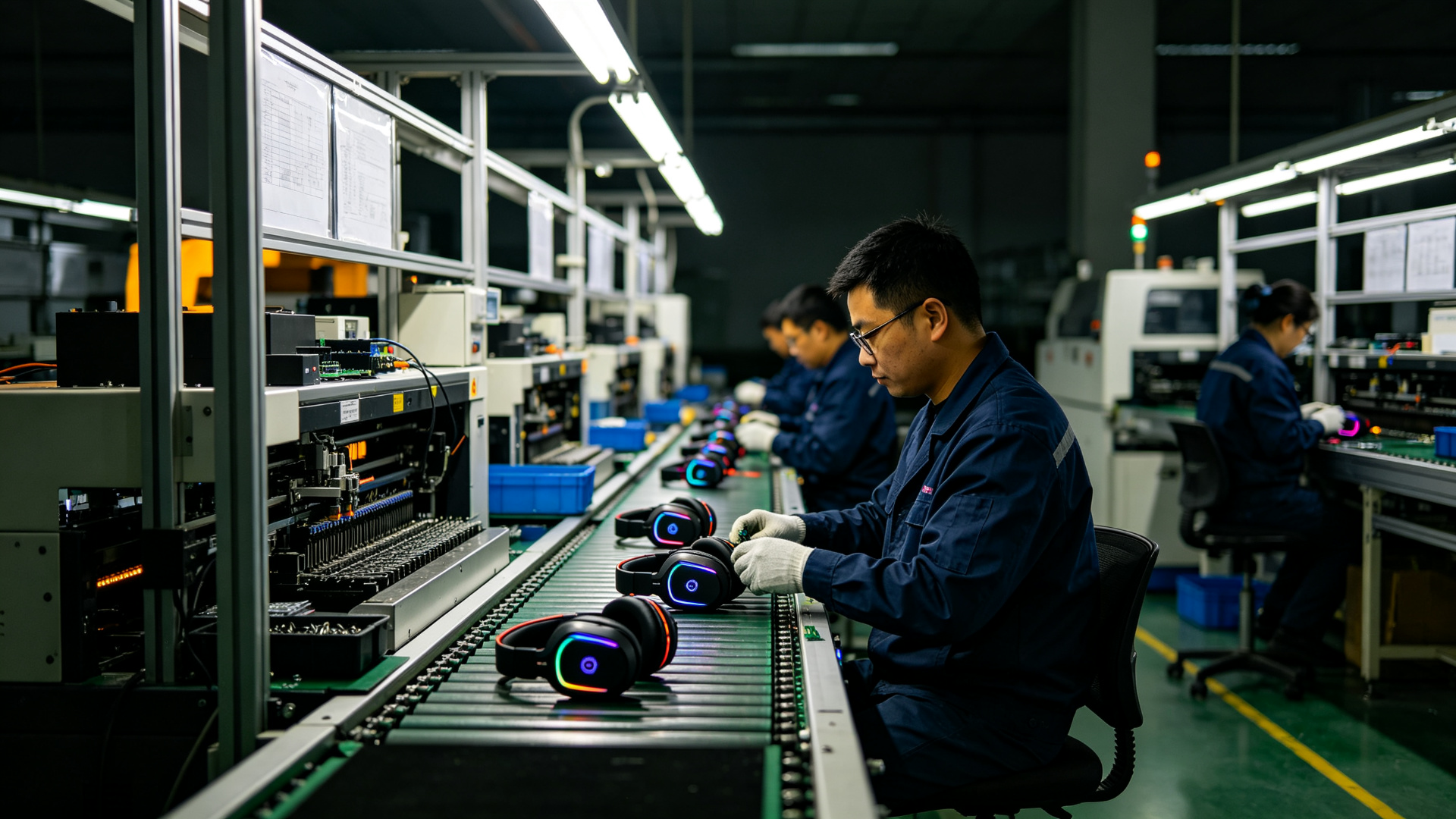
Например, в Dongguan MONTON Cloud Technology (dgmtyc.com) работает более 320 человек на 8 автоматизированных производственных линиях, есть собственная акустическая лаборатория и центр пресс-форм. Они занимаются производством с 2015 года и имеют 8 международных сертификатов. Это профиль фабрики, способной выполнять кастомные работы — а не просто сборку.
3. Производственная мощность и надёжность поставок
Цифры мощности на сайте фабрики ничего не значат. Каждая фабрика заявляет «годовую мощность 5 миллионов единиц». Настоящий вопрос: какова ваша фактическая загрузка мощностей и что произойдёт, если мне понадобится 50 000 единиц за четыре недели?
Запросите эти конкретные цифры:
- Количество производственных линий и дневная выработка на каждой линии
- Текущая загрузка (у фабрики с загрузкой 90% нет места для вашего срочного заказа)
- Процент своевременных поставок за последние 12 месяцев
- Максимальный объём заказа, выполненный за последний год
Фабрика с 8 линиями, выпускающая 40 000-45 000 единиц в месяц при загрузке 70-80%, может принять заказ на 50 000 единиц, не бросая всё остальное. Фабрика с 2 линиями при загрузке 95% пообещает вам золотые горы и поставит на три недели позже.
4. Ассортимент продукции и глубина каталога
Фабрика, выпускающая только 5 моделей наушников, либо очень новая, либо очень узкоспециализированная. Ни то ни другое не идеально для растущего бренда. Вам нужен партнёр с достаточной глубиной каталога, чтобы вы могли расширять линейку продуктов без смены поставщика.
Ищите:
- Несколько типов подключения (проводные, 2.4G беспроводные, Bluetooth, двухрежимные)
- Несколько ценовых сегментов (от $5 начального уровня до $25+ среднего)
- Смежные категории продуктов (игровые мыши, механические клавиатуры, TWS-наушники) для перекрёстных продаж
- Регулярный выпуск новых продуктов (фабрика, не выпустившая новую модель за 18 месяцев, отстаёт)
Каталог MONTON Cloud включает более 107 моделей: игровые наушники (34), мыши (15), клавиатуры (14), TWS-наушники (11), OWS-наушники открытого типа (3), Bluetooth-колонки (5) и аксессуары. Это та глубина, которая позволяет покупателю собрать весь магазин у одного поставщика.
5. Системы контроля качества
Именно в контроле качества терпят неудачу большинство фабрик — не потому что у них нет инспекторов, а потому что инспекторы проверяют не то или пропускают этапы, когда производство отстаёт от графика.
Серьёзный процесс контроля качества имеет как минимум пять точек контроля:
- Входной контроль материалов (IQC): Каждая партия динамиков, PCB и пластиковых деталей тестируется перед поступлением на склад.
- Контроль первой партии (FAI): Первые 5 единиц с каждой производственной линии полностью тестируются перед началом массового производства.
- Пооперационный контроль (IPQC): Инспекторы обходят линию каждые 2 часа, отбирая случайные единицы для тестирования.
- Конечный контроль (FQC): 100% единиц проходят аудиотест, тест микрофона и визуальный осмотр перед упаковкой.
- Аудит качества отгрузки (OQA): Случайная выборка (AQL 2.5) отбирается из готовой продукции и тестируется по полной спецификации.
Запросите у фабрики процент брака за последние шесть месяцев. Фабрика с показателем ниже 2% работает хорошо. Выше 5% — и вы смотрите на серьёзные проблемы.
6. Гибкость услуг OEM/ODM
MOQ (минимальный объём заказа) многое говорит о бизнес-модели фабрики. Фабрика, требующая 1000 единиц для базового OEM-заказа, оптимизирована под крупные бренды и не заботится о мелких покупателях.
Отраслевой стандарт выглядит так:
- Модели со склада: 20-100 единиц (1-5 коробок). Это идеальная точка для новых продавцов, тестирующих рынок.
- OEM с кастомным логотипом/упаковкой: 500 единиц. Разумно для бренда с определённой историей продаж.
- Собственная пресс-форма (ODM): 1000 единиц. Оправдано только тогда, когда вы подтвердили спрос и хотите эксклюзивную дифференциацию продукта.
Структура MOQ MONTON Cloud — 20 единиц для моделей со склада, 1000 для OEM, 3000 для собственной пресс-формы — довольно стандартна для фабрики среднего размера. Что важнее цифр, так это готовность реально работать с вами над меньшими первыми заказами. Фабрика, отказывающаяся от пробного заказа на 50 единиц, говорит вам, что не ценит ваш бизнес.
7. Отзывы клиентов и послужной список
Любая фабрика может показать вам отполированный сайт и видео с экскурсией по фабрике. Отзывы клиентов подделать сложнее. Запросите:
- 2-3 контакта клиентов, которым вы можете написать (а не только отзывы на их сайте)
- Самые долгосрочные отношения с клиентами (у фабрики, клиенты которой остаются 3+ года, что-то делается правильно)
- Кейсы с конкретными цифрами: объём заказов, процент брака, показатели поставок
В число клиентов MONTON Cloud входит американский продавец из Top 100 Amazon, чьи годовые заказы выросли с 20 000 до 100 000 единиц при уровне возвратов ниже 2%; немецкий киберспортивный бренд, который прошёл путь от концепции до массового производства за 45 дней по проекту собственной пресс-формы; и национальная сеть киберспортивных отелей с 200+ локациями, снизившая затраты на оборудование на один магазин на 35%. Вот те отзывы, которые говорят о способности фабрики работать в реальных условиях.
Красные флаги: когда стоит уйти
За одиннадцать лет в этом бизнесе я видел, как покупатели теряли десятки тысяч долларов из-за фабрик, демонстрировавших очевидные предупреждающие знаки. Вот те, которые должны заставить вас немедленно уйти:
Они не дают адрес фабрики. Если у «фабрики» есть только торговый офис в Шэньчжэне и она отказывается говорить, где происходит реальное производство, вы имеете дело с торговой компанией, накручивающей цены на 15-30%.
Они дают котировку на 30% ниже всех остальных поставщиков. В производстве нет магии. Если одна котировка драматически ниже остальных, они либо экономят на материалах, либо планируют добавить «неожиданные» платежи после того, как вы уже обязались.
Они требуют 100% оплаты до производства. Стандартные условия — 30% депозит, 70% перед отгрузкой. Фабрика, желающая полной предоплаты, либо имеет проблемы с денежным потоком, либо не доверяет вам — и ни то, ни другое не является хорошим знаком.
Они не могут предоставить отчёты о тестах. Каждая партия продукции должна иметь данные аудиотестов, показатели чувствительности микрофона и АЧХ. Фабрика, говорящая «мы не храним эти записи», не занимается контролем качества.
Они избегают видеозвонков. В 2026 году у каждой фабрики есть видео в WeChat или WhatsApp. Если поставщик отказывается от живого видео-тура по производственному цеху, он что-то скрывает.
Аудит фабрики: как проверить, не летя в Китай
Не каждый покупатель может позволить себе поездку в Китай. Но вы всё равно можете провести значимый аудит удалённо:
- Живой видео-тур: Запланируйте видеозвонок на 30-45 минут. Попросите показать производственный цех в реальном времени — не предзаписанное видео. Посчитайте работников, проверьте оборудование, оцените состояние помещений.
- Сторонняя инспекция: Такие компании, как SGS, Bureau Veritas и Intertek, предлагают услуги аудита фабрик за $300-$800. Они отправят инспектора на фабрику, проверят системы качества и пришлют вам подробный отчёт.
- Тестирование образцов: Закажите 5-10 образцов и проведите неделю реальных испытаний. Сделайте аудиотесты, проверьте чёткость микрофона, проведите стресс-тесты оголовья, убедитесь, что все спецификации соответствуют даташиту.
- Малый пробный заказ: Разместите заказ на 50-100 единиц перед обязательствами по крупной партии. Это проверит их производственное качество, упаковку, документацию и скорость поставки в реальных условиях.
Дунгуань против Шэньчжэня: где стоит производить
Этот вопрос возникает постоянно, и ответ зависит от того, что вы производите.
Шэньчжэнь — мировой центр электронных исследований и разработок. Если вы разрабатываете передовой продукт с новой технологией чипсета, сложной прошивкой или инновационными функциями, экосистема дизайн-студий и поставщиков компонентов Шэньчжэня не имеет себе равных. Но производственные площади в Шэньчжэне дороги — стоимость земли в 1.5-2 раза выше, чем в Дунгуане — и эти расходы перекладываются на вас.
Дунгуань — производственное сердце. У фабрик здесь больше пространства, более крупные производственные цеха и более низкие накладные расходы. Для устоявшихся категорий продуктов, таких как игровые наушники — где технология зрелая, а приоритетом является рентабельное массовое производство с стабильным качеством — Дунгуань предлагает лучшую ценность. В районе Чанпин, где находится MONTON Cloud, плотно сгруппированы производители аудиооборудования, поставщики компонентов и производители упаковки.
Для большинства покупателей игровых наушников оптимальная стратегия: Шэньчжэнь для исследований и прототипирования, Дунгуань для массового производства. Или работайте с дунгуаньской фабрикой, у которой есть собственная команда исследований и разработок — это даст вам обе возможности под одной крышей.
Контрольный список принятия решения
Перед подписанием заказа на покупку у любого производителя игровых наушников пройдитесь по этому списку:
- Действительные сертификаты CE, FCC, RoHS (проверенные на сайтах органов по сертификации)
- Сертификация BQB для беспроводных моделей
- Сертификация системы качества ISO 9001
- Собственные возможности акустического тестирования
- Собственные возможности пресс-форм/оснастки (для кастомных проектов)
- 5+ лет в бизнесе с стабильным владением
- 100+ сотрудников на производственном цеху
- Процент брака ниже 3% за последние 6 месяцев
- Процент своевременных поставок выше 90%
- Структура MOQ, соответствующая стадии вашего бизнеса (20-100 для образцов, 500 для OEM)
- 2-3 проверяемых отзыва клиентов
- Готовность выполнить малый пробный заказ перед крупными обязательствами
- Прозрачное ценообразование без скрытых платежей
- Быстрая коммуникация (ответы в течение 24 часов)
Фабрика, отмечающая все 15 пунктов, стоит построения долгосрочных отношений. Отмечающая менее 10 — это риск, который вам, вероятно, не стоит брать.
Заключительные мысли
Выбор производителя игровых наушников — одно из самых важных решений, которые вы примете как владелец бренда или реселлер. Правильный партнёр становится продолжением вашей команды — помогает разрабатывать продукты, решать проблемы и развивать бизнес. Неправильный партнёр становится постоянным источником стресса, задержек и потери дохода.
Потратьте время на правильную оценку. Закажите образцы. Запросите отзывы. Сделайте видео-тур. Разместите малый пробный заказ. Стоимость должной осмотрительности ничтожна по сравнению со стоимостью неудачного производственного цикла.
И помните: самая дешёвая котировка редко бывает лучшей ценностью. Фабрика, берущая на 5% больше, но поставляющая вовремя, со стабильным качеством и быстрой поддержкой, сэкономит вам гораздо больше 5% за год.
Похожие статьи
- OEM против ODM против собственной пресс-формы для игровых наушников: что подходит вашему бренду?
- Как проверить производственную мощность китайской фабрики: 7 важных метрик
- Руководство по сертификации игровых наушников: CE, FCC, RoHS, BQB, REACH, UKCA, BIS объяснены
- MOQ объяснено: почему 20 единиц — идеальная точка для новых продавцов Amazon